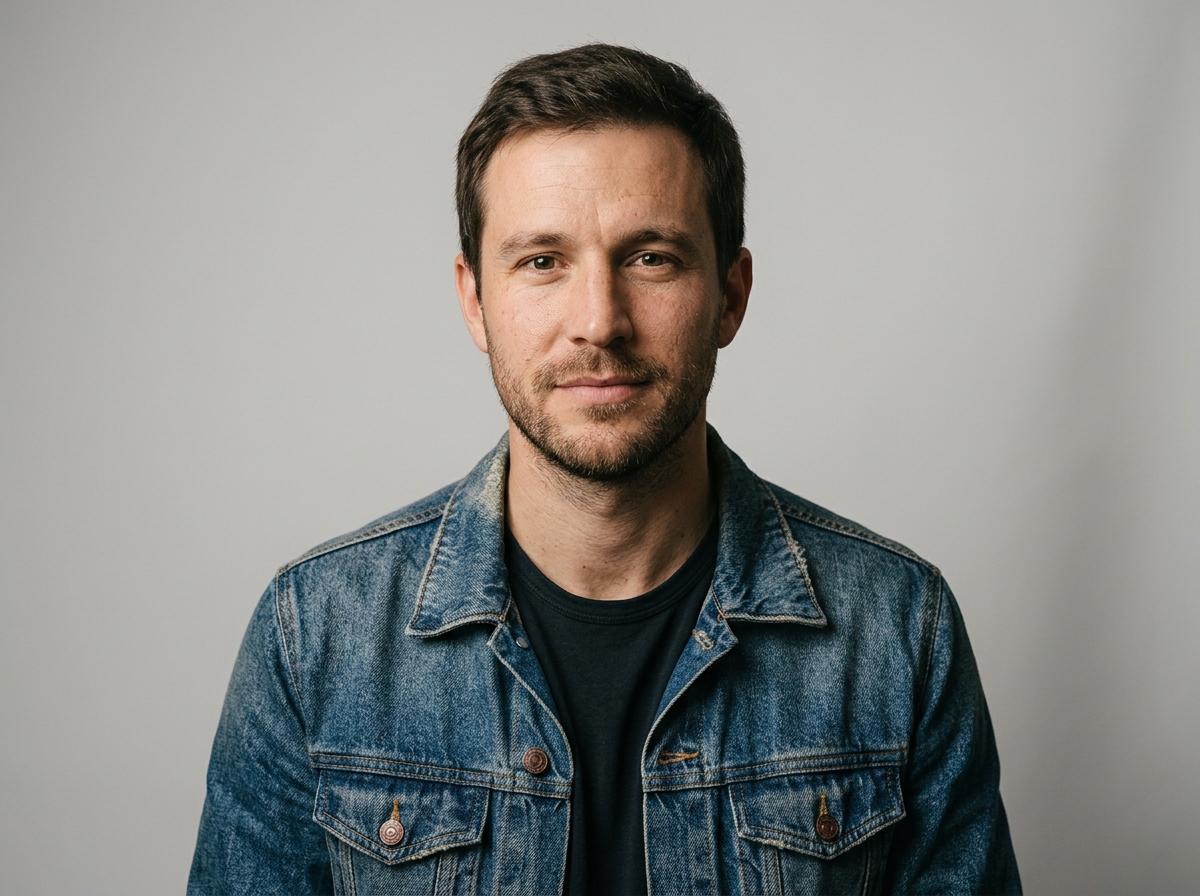
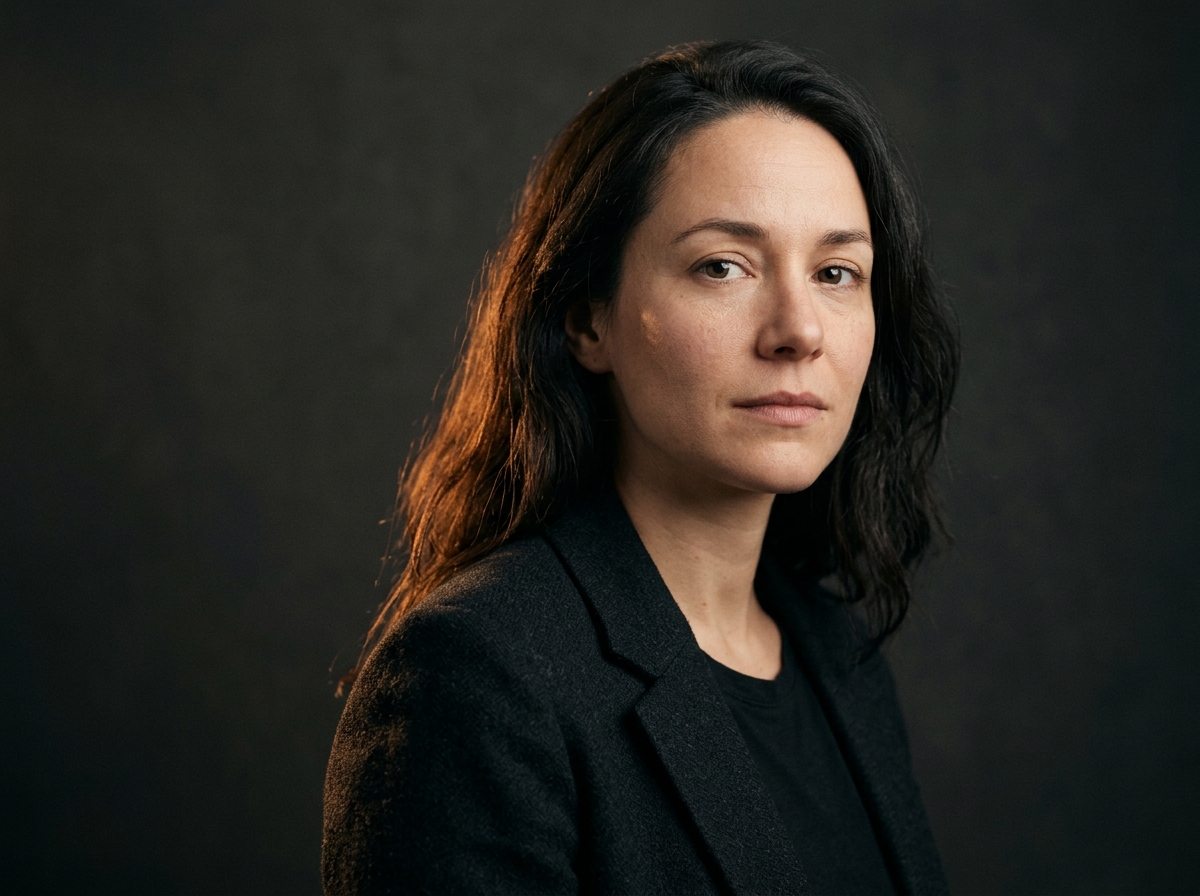
Studio portrait under a single soft box, high on the right. The brief asked for window light, so the shadow side turned warm and the catchlight moved. Same face, same jacket, same crop.
12 examples
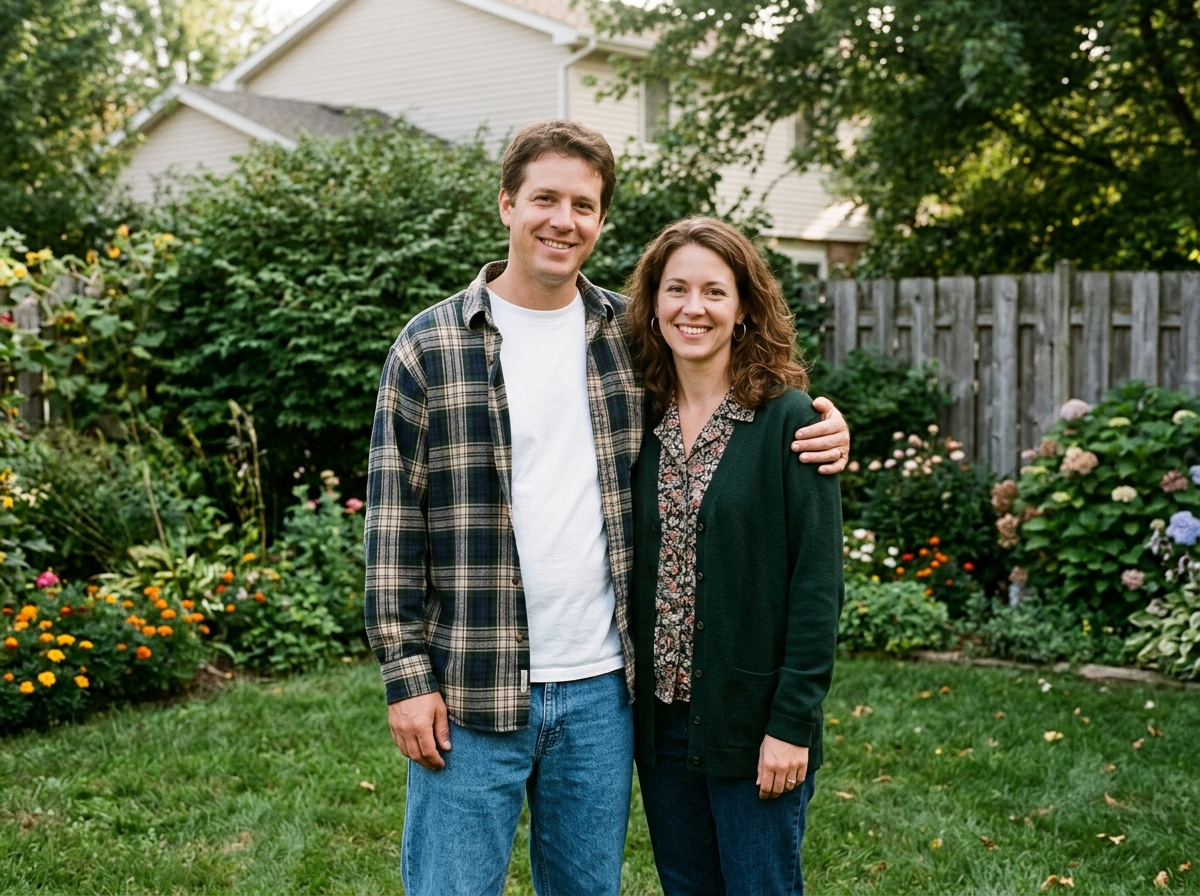
Studio portrait under a single soft box, high on the right. The brief asked for window light, so the shadow side turned warm and the catchlight moved. Same face, same jacket, same crop.
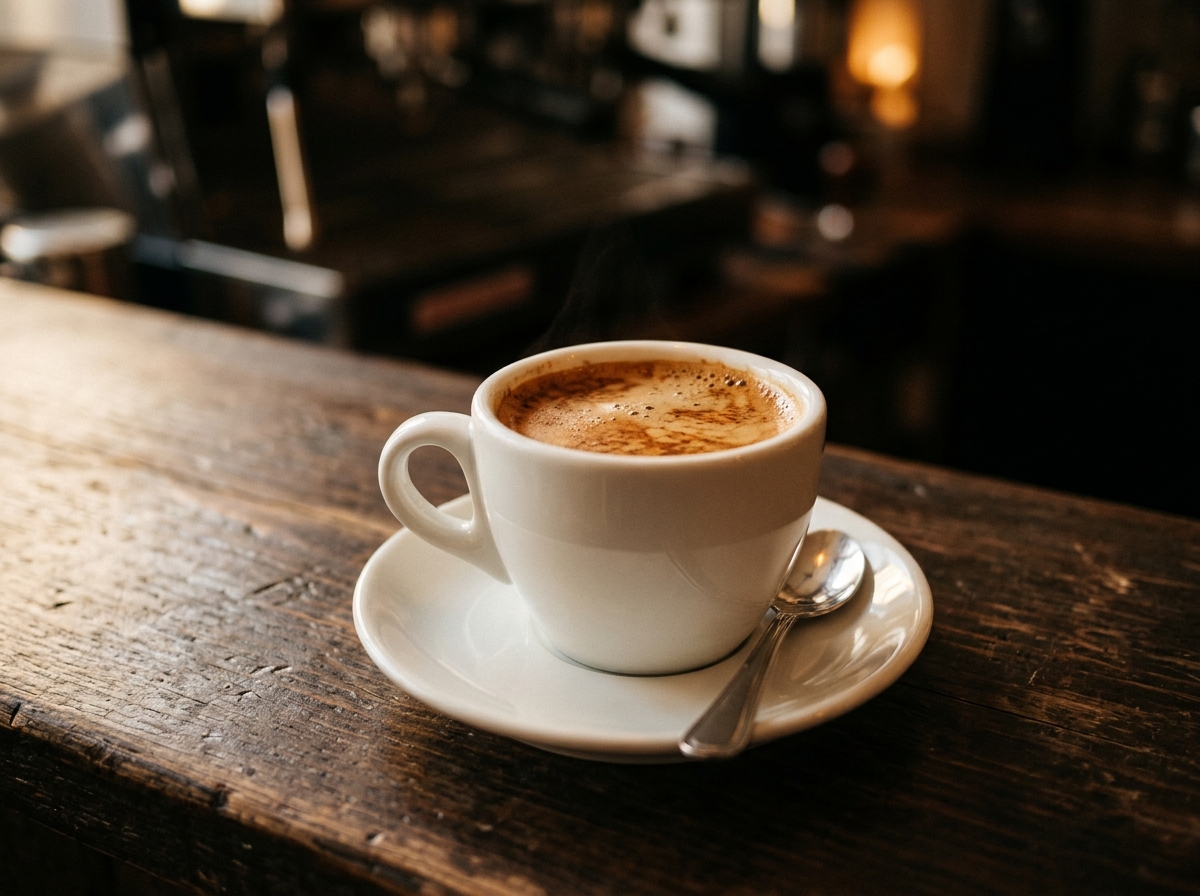
The shop had tungsten over the counter and daylight from the window, which made the crema look grey. One warm key on the left and a dark fill behind fixed it without touching the cup.
A market crossing at two in the afternoon, with about forty people in frame. The subject came out clean, the sweep sits behind them, and the stolen light on the shoulder was kept.
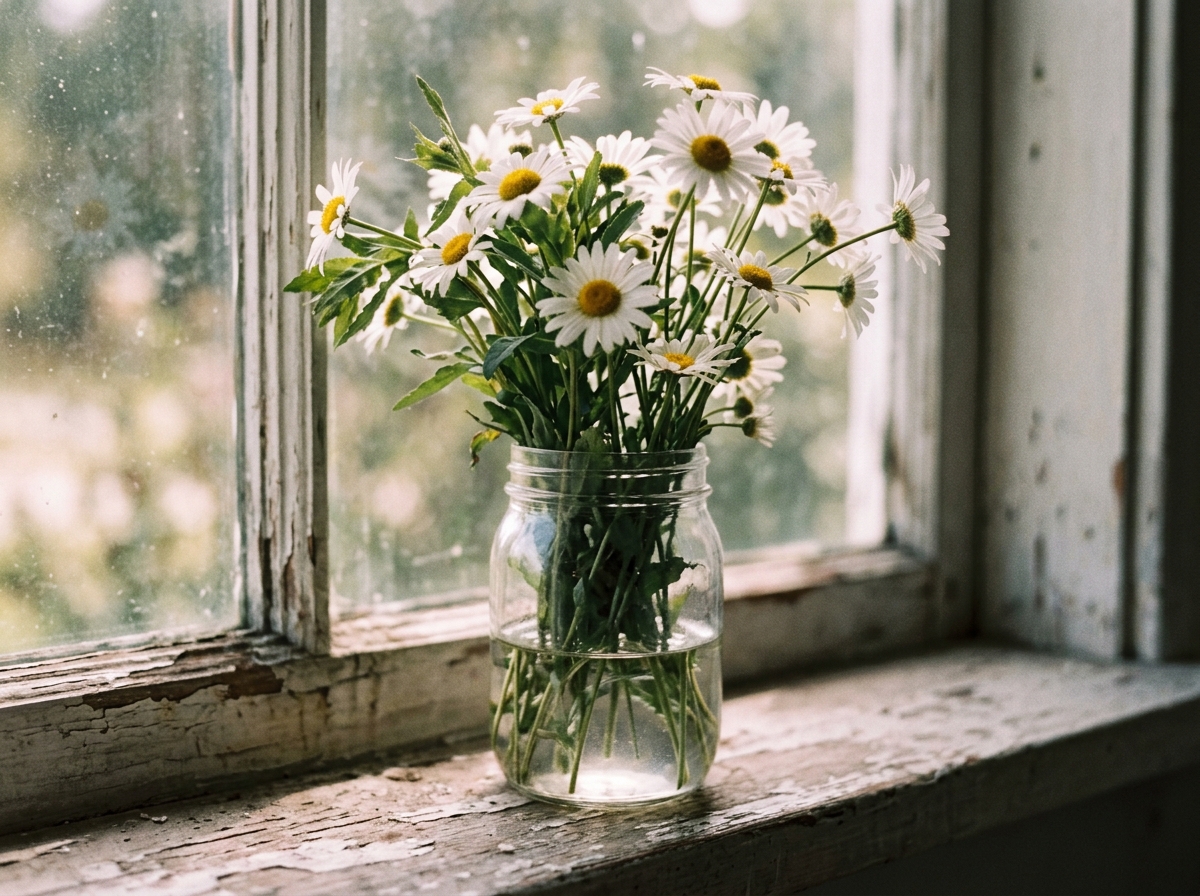
Backlit portrait in a field, already close to the look. The grade pushed the greens towards olive and added a soft halation around the flowers, which is what the film would have done.
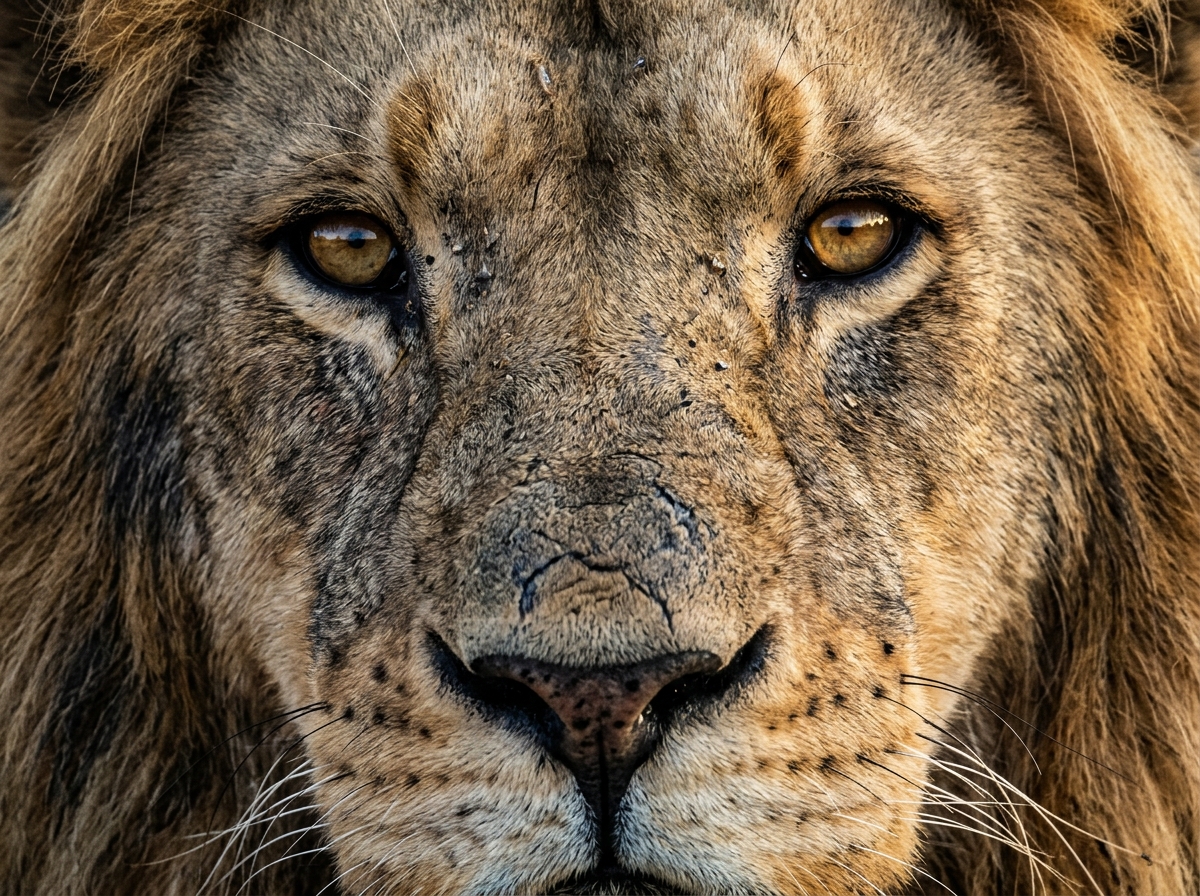
Cropped from a long lens frame that was never sharp to begin with. At 4x the fur keeps its direction and the whiskers keep their edges, which is the part most upscalers smear.
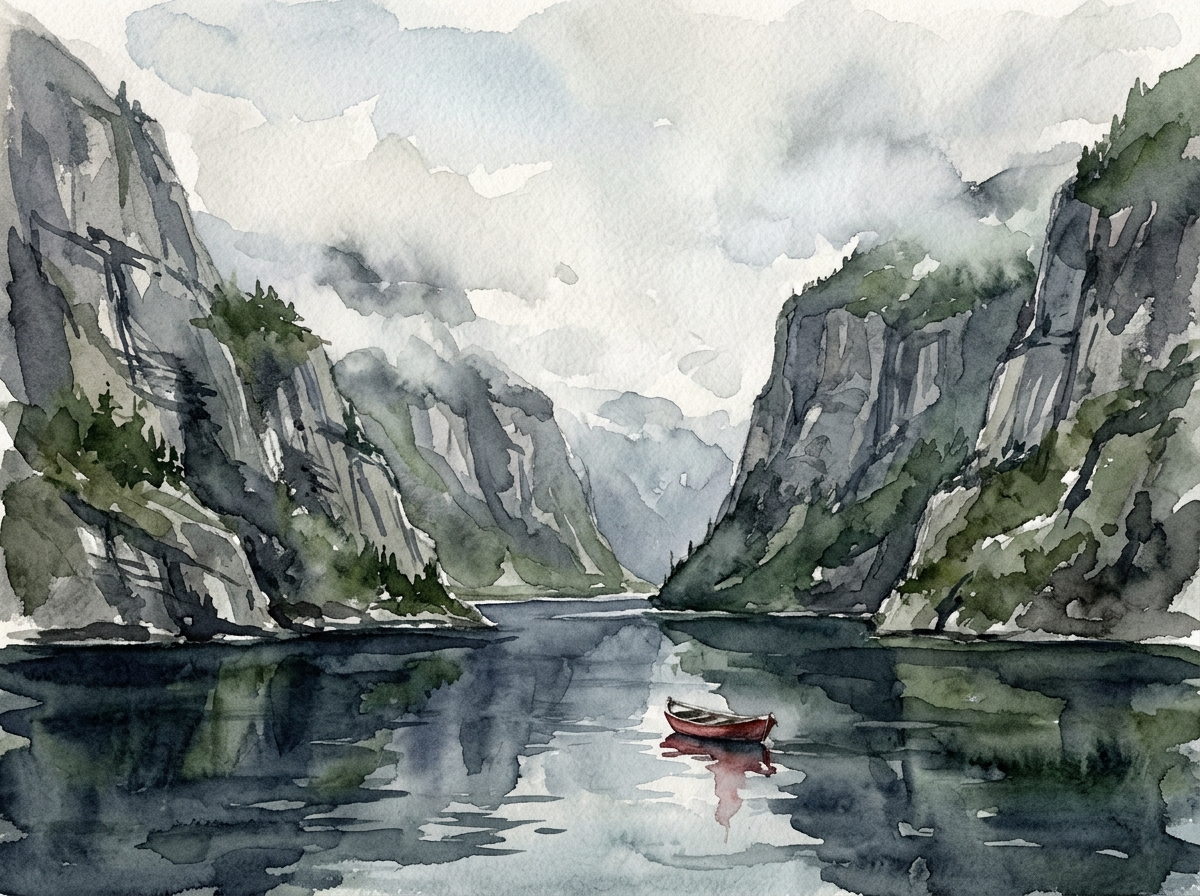
A cold, clear landscape shot in flat overcast. The result keeps the composition and the scale of the cliffs, and only changes the medium, with wet edges where the water meets the rock.
A print that had been in an album for twenty years, scanned at 600 dpi with the colour already gone. The restore kept the softness of the original lens and did not invent detail that was never in the file.
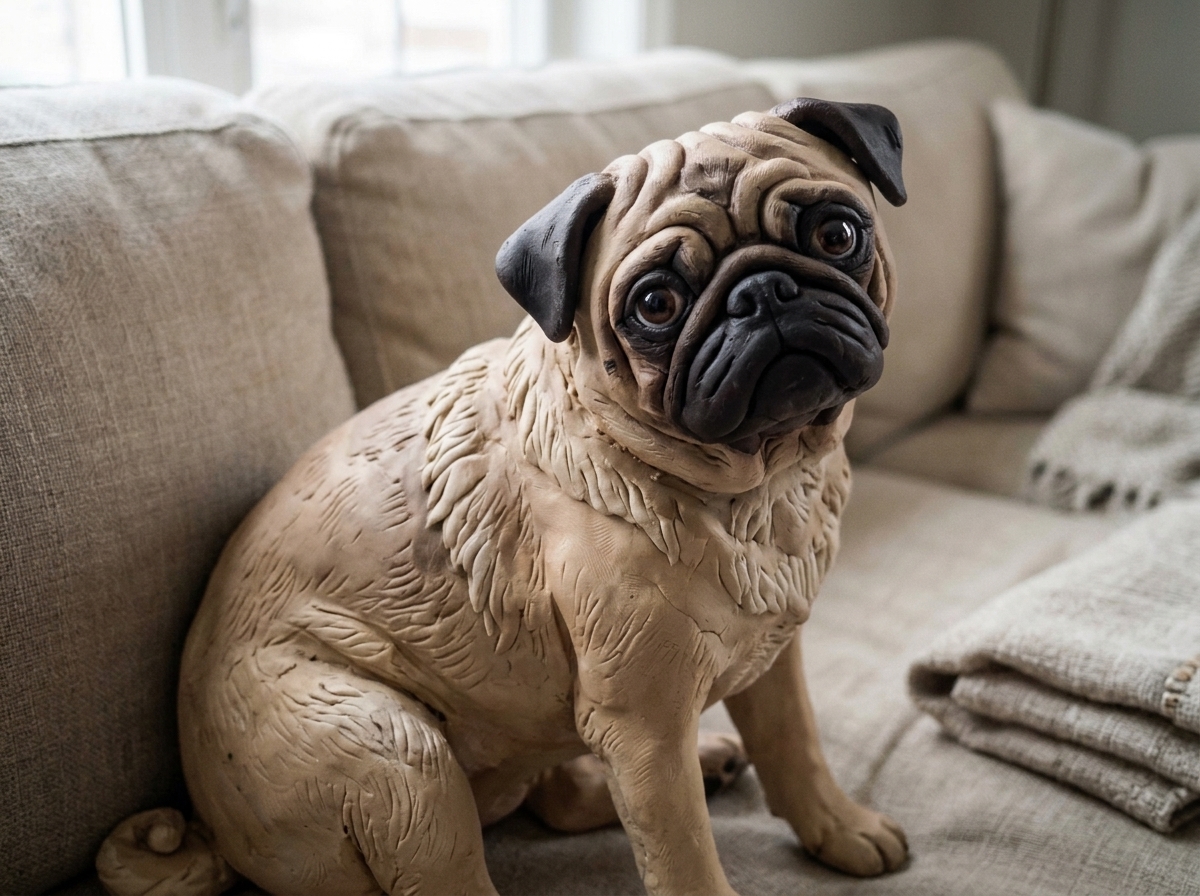
The brief was a character study for a stop-motion pitch. The clay pass flattens the highlights, rounds the folds in the blanket and leaves the eyes glossy, which is the one thing clay keeps.
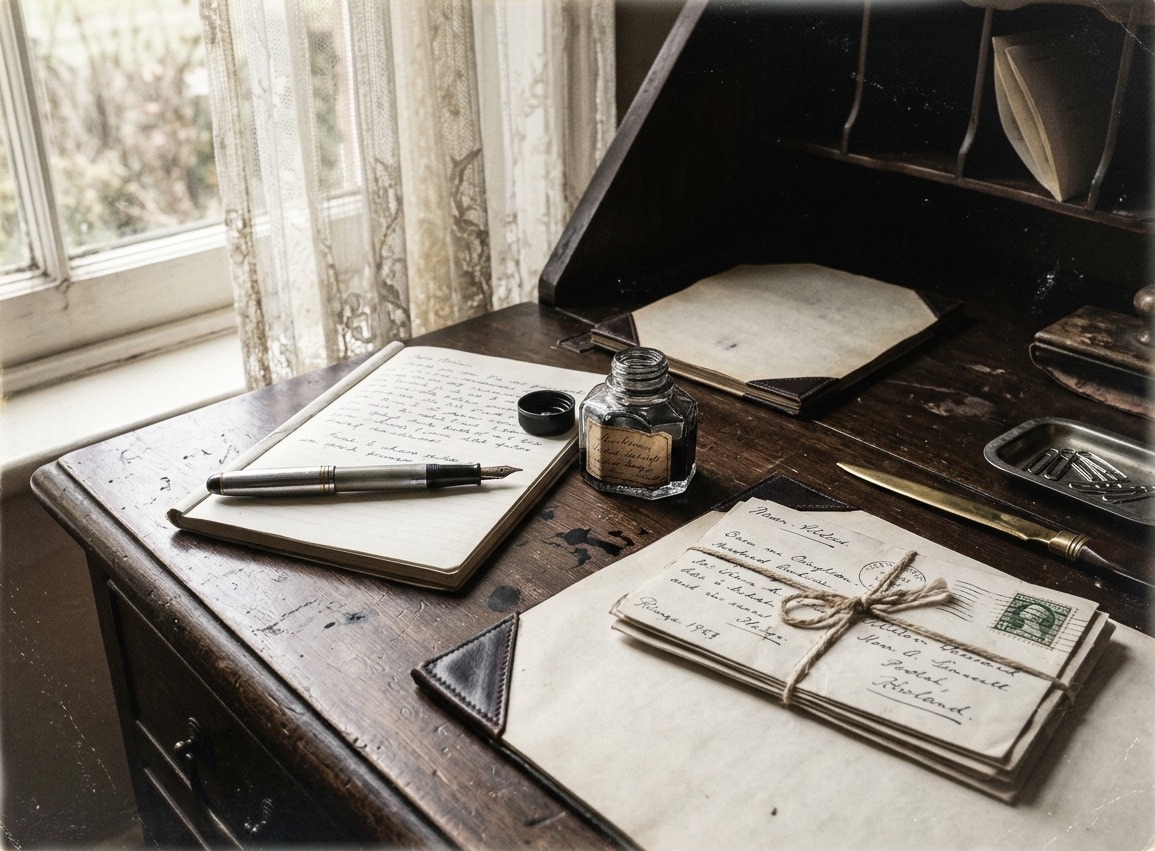
Black and white desk shot from a magazine archive. Colour was added in layers, paper first, then wood, then the mug, so nothing turned the same shade of beige.
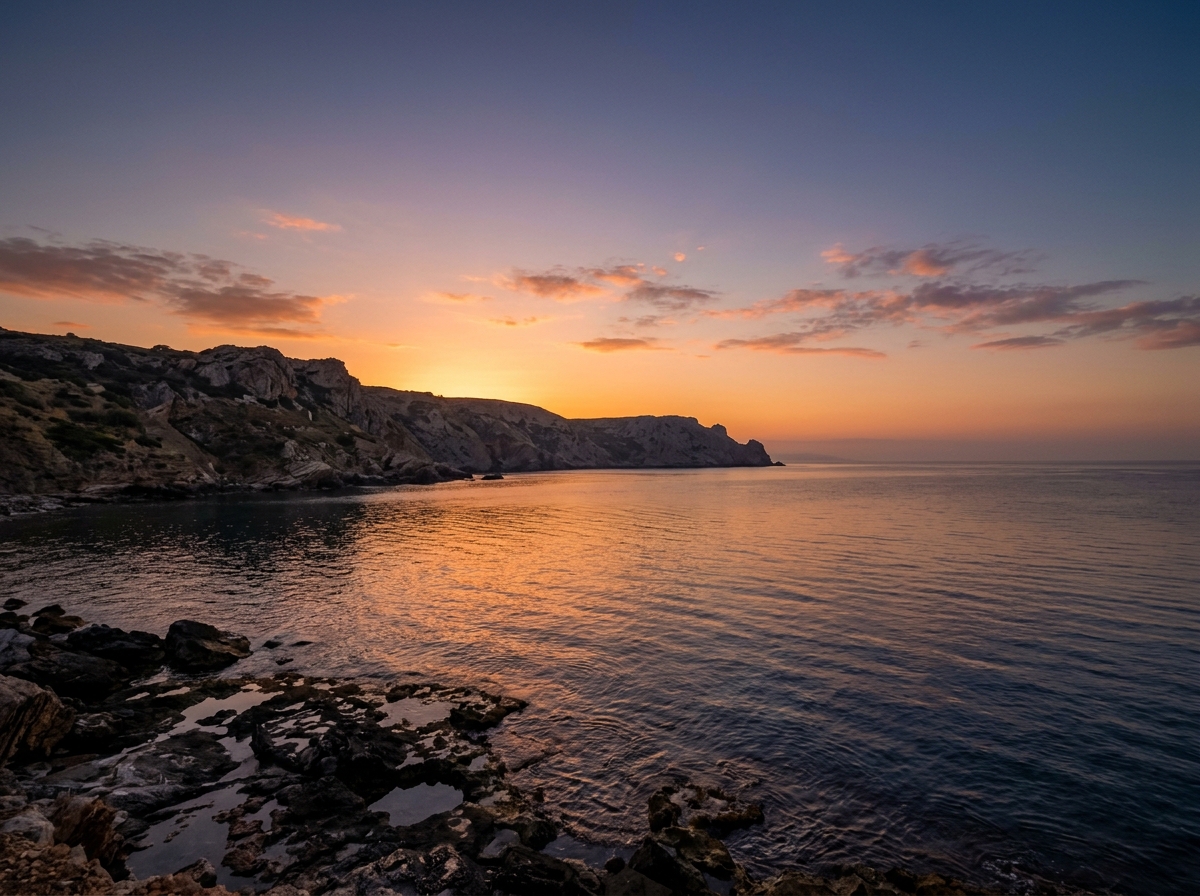
A warm sunset frame that was too dark to print. The shadows were lifted, the haze pulled back a little, and the warmth kept, so the scarf still carries the picture.
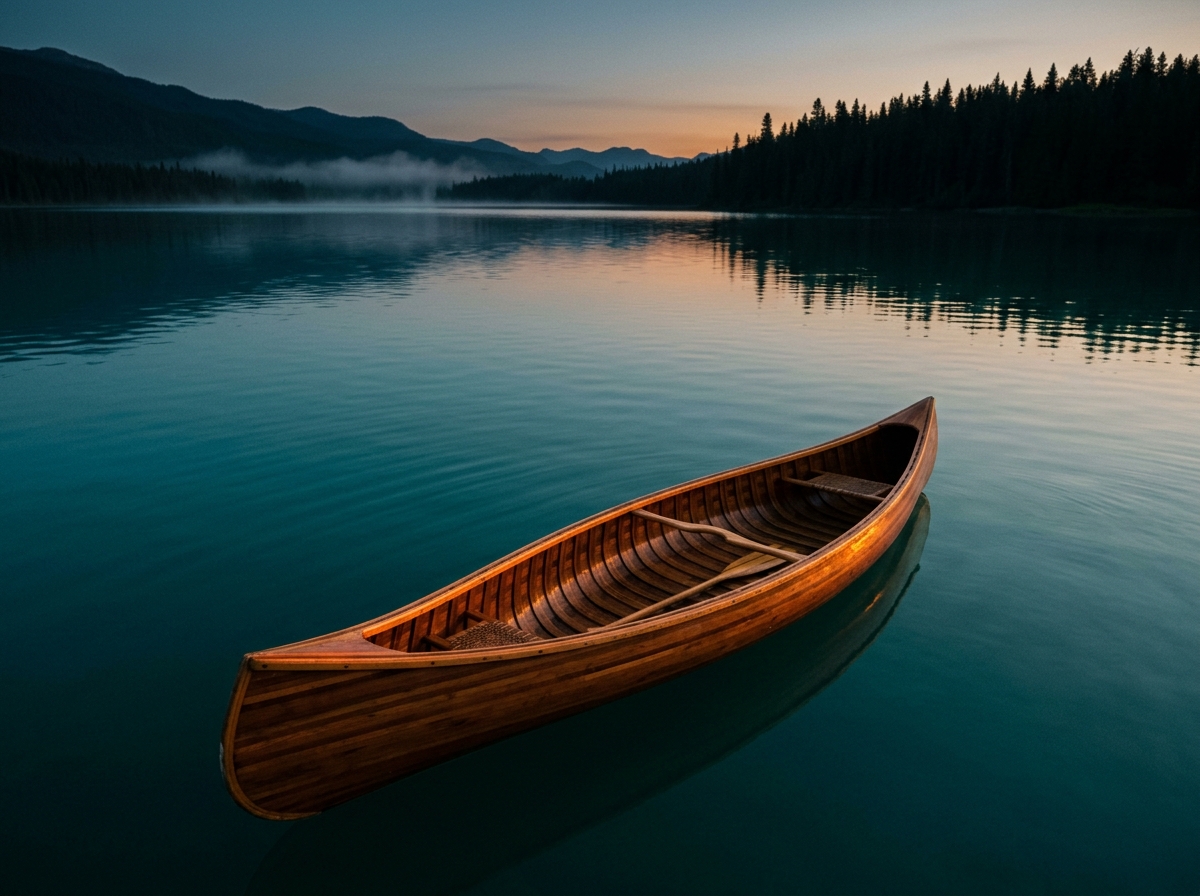
Shot straight into the light, so the sky went white. The grade recovered the teal in the water and put a rim on the canoe, with grain added last so it does not look digital.
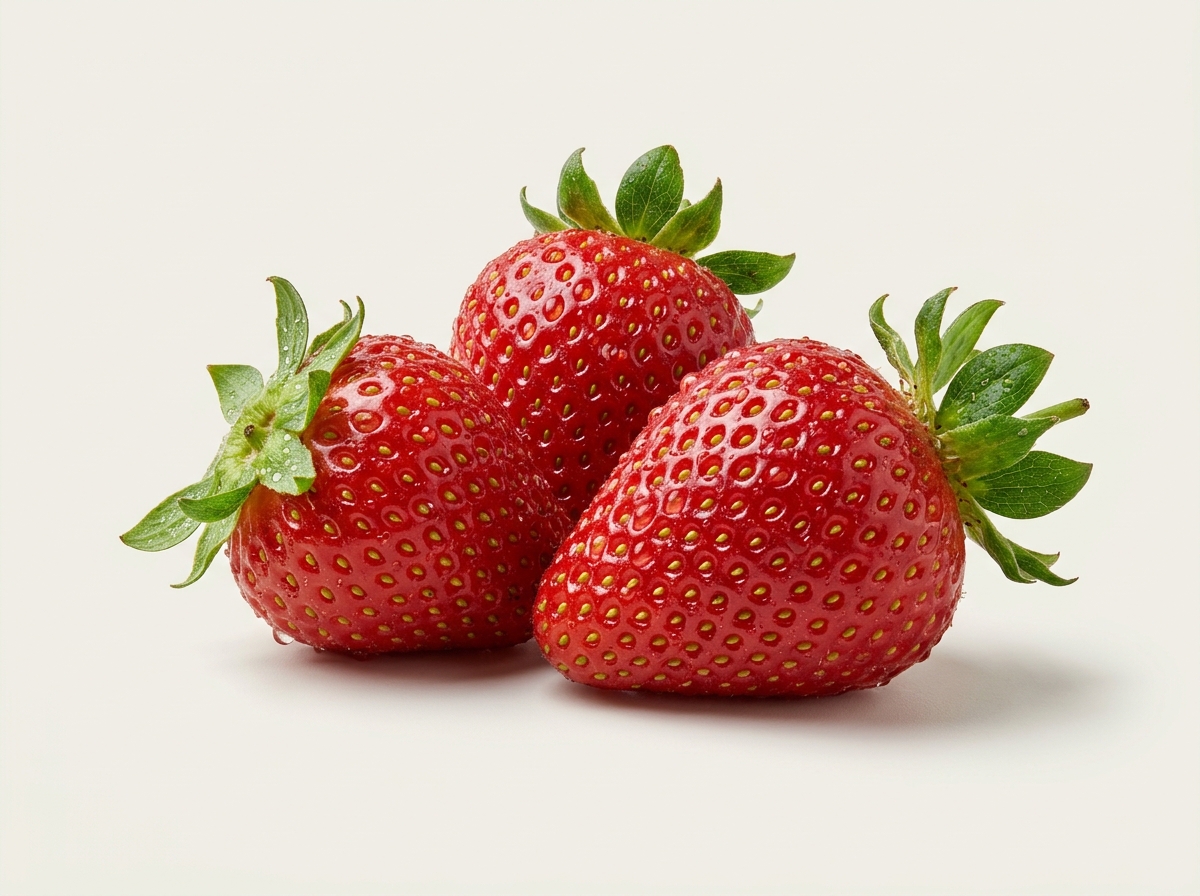
A macro shot on a cluttered board. The subject was lifted off the background and enlarged three times, so it can sit on a packaging proof at 300 dpi.
Curated by hand, not auto-filled. Every card carries the prompt that made it.
Every card carries the same four things, in the same order.
The photo on the left went in. The one on the right came back. Under them sits the sentence that was typed, and nothing else was given to the model. When a card says the light moved and the sofa stayed, that is the whole brief.
The line under the sentence names the model, how long the run took and what it cost. One credit is one 1K image at the standard price, so a card marked 11 s and 1 credit is the cheapest kind of run on the site. A 4K pass costs more and takes longer.
Nothing here was retouched afterwards. No crop, no grading pass in an editor, no cleanup. What you see is the file the studio handed back, resized for this page.
The filter at the top maps to six jobs people actually bring.
Portraits. Relighting, new backgrounds and grading on a face that has to stay the same face. This is where most of the traffic lands, and where a model that drifts shows up first.
Products. Packaging, labels and small text, usually from a phone photo taken on a table. The hard part is not the light. It is keeping the label readable while the light changes around it.
Restore. Scans with a colour cast, dust, or a fold down the middle. The model brings back skin and paper texture. It cannot recover detail that was never in the scan, so a 300 pixel crop stays a 300 pixel crop.
Anime. A photo turned into a drawn frame: cel shading, ink lines, flat colour. Faces survive better here than most people expect, especially on a portrait shot at arm's length or closer.
Upscale. A small crop that has to survive print. The result is rebuilt rather than stretched, which is why fur and knit come back as texture instead of mush.
Film. Grain, halation and a colour response that reads like a stock, without changing the subject or the crop.
The sentence is half the result. The model is the other half.
Send one portrait through Creative 2.0 and then through Nano Banana 2 and you get two answers to the same brief. Creative 2.0 keeps skin texture and a natural falloff. Nano Banana 2 holds the bone structure harder and is the one to pick when somebody who knows the person has to recognise them.
Seedream 4.5 and Seedream 5.0 Pro are built for objects. On a bottle label they keep lettering crisp where a portrait model starts to smear it. On a face they are fine, but they are not the reason to choose them.
Size changes the outcome too. A 1K pass is a working draft, good enough to judge whether the idea is right. A 4K pass is the one you send to a printer, and it costs more because the upstream run costs us more.
If a card here looks close to what you have in mind, copy the sentence into the studio, swap in your own photo and start with the same model. That is usually faster than writing a prompt from a blank box.