One tool, kept small on purpose.
Scenedo does image to image. Not video, not chat, not twenty features behind a sidebar. That narrowness is the whole product.
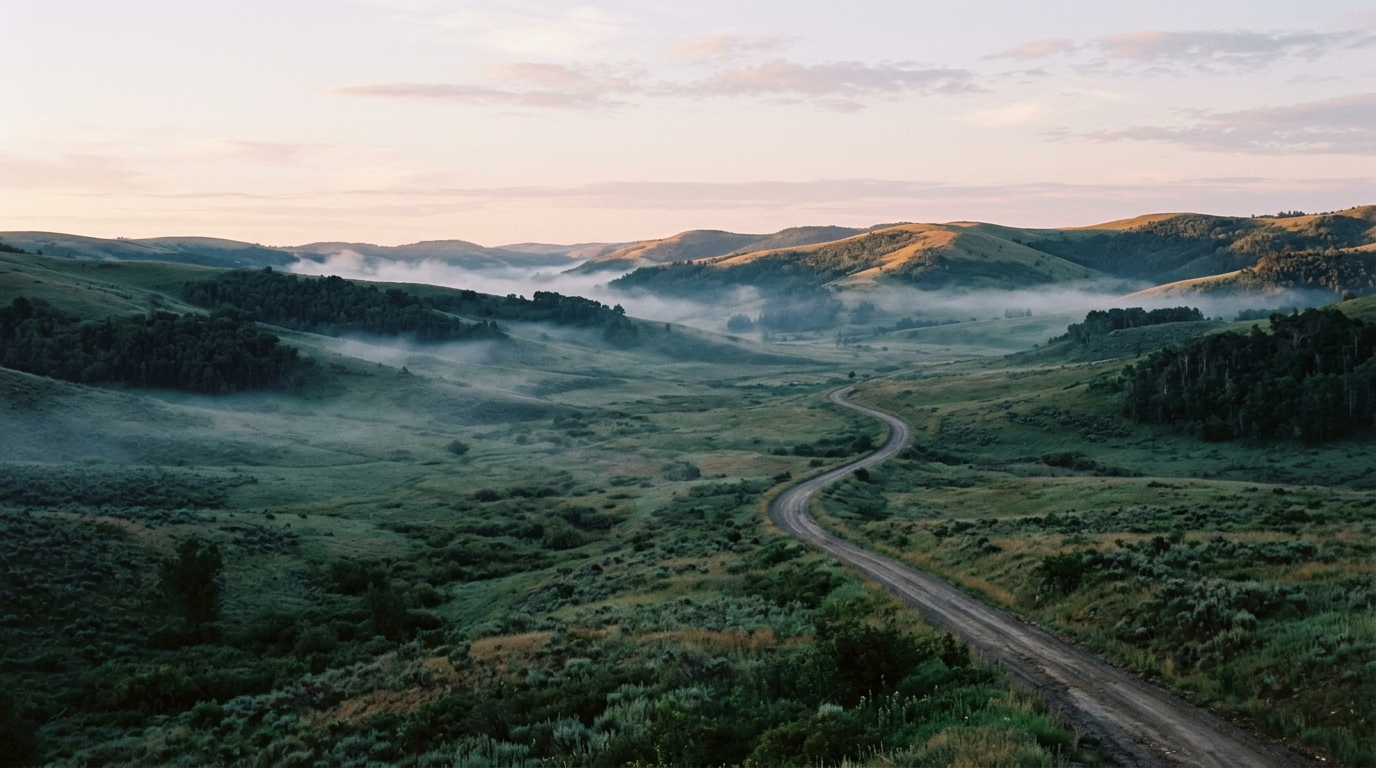
One image, straight out of Creative 2.0. No retouching, no crop beyond the band.
Why we built it
Most photo fixes are one sentence long. "Cool the light." "Take the bin out of the corner." "Make it look like it was shot on film." The tools that can do those things weigh two gigabytes and take an afternoon to learn.
We wanted the sentence to be the interface. Upload, type, look, keep or try again. Everything else in the product exists to make that loop faster and to keep the face on the person you photographed.
So there is no layers panel, no brush engine, no node graph. If you need those, you already have an editor, and Scenedo is not trying to replace it. It sits between the camera roll and the real edit.
How we charge
You pay for what you use. A two-person studio that makes forty images a month should not pay the same as an agency making four thousand.
We do not hide the good models behind the top plan. Pro, Studio and Agency run the same twenty-two models; what changes between them is the volume of credits.
What we are bad at
We are a small team. There is no phone number, support answers by email, and a new model can take us a week to wire up. When an upstream model is retired we tell you on the page that uses it, but we cannot keep it alive for you.
If a result needs a paragraph to explain, it is usually the wrong result.
That is the test we use before shipping a look. If we cannot describe the change in one line, it is not ready.
What sits behind the page
A thin front end on a small stack, and it helps to know which part does what.
The page you are reading is static HTML. The studio, the accounts and the credits are a Cloudflare Worker with a database behind it, and the images live in object storage. Uploading a photo puts it in a bucket, writes a job row, and the model runs upstream. When the file comes back it is stored once and served from there.
Free images get a small mark added before they are stored. Paid accounts keep the clean file, and the marked copy is kept separately, so an upgrade can hand you the clean version without a rerun.
Nothing in that chain edits your photo on the way through. The model is the only thing that changes pixels, which is why a result looks like the model you picked rather than like a filter we applied.
You do not need an account to run the first images. An account is what keeps history, plans and credits in one place, and it is the only way a paid plan can exist at all.
Where the credits go
Every model charges us per image upstream, and the price is not the same across providers. That is the whole reason a run costs one credit on one model and six on another. The number on the button is that cost plus a margin, not a figure tuned to make a plan look cheap.
It also keeps the plans honest about what they are. Pro at $15 for 200 credits works out at seven and a half cents a credit. A 1K run on a cheap model is one credit, so about seven cents of work. A 4K run on Nano Banana Pro is six credits, roughly forty five cents. Sit at the top of the model list all month and those 200 credits go quickly, which is the correct outcome rather than a hidden cap.
The two free images are not free to us. We pay the provider for them like any other run, which is why the allowance is two rather than twenty.
When an upstream price moves, the credit price moves with it, and we say so on the pricing page.
How a model gets in, and how it leaves
A new model starts in the admin panel, not on the homepage. We run the same six photos through it, compare it against whatever it is meant to replace, and only then give it a price and a place in the picker. Some never get past that step, which is why the number of models on the site moves slowly.
Retiring one is the reverse. The provider stops serving it, or the quality drops, and it gets switched off. Anyone mid-project gets 30 days notice on the page that uses it, with the closest replacement named. Keeping an old model alive for a month is cheaper than breaking a job somebody is being paid for.
If you cannot tell two models apart from the descriptions, send the same photo through both at 1K. Two credits buys a better answer than any comparison table.
What this studio will not do
It will not make a video. It will not hold a conversation about the photo. There is no plan for either, and no roadmap slide promising them.
It will not train on what you upload. The image goes to an inference provider to produce the result and comes back. We keep no copy for training and pass nothing on for that purpose.
It will not invent a face and call it yours. If the person in the result does not look like the person in the photo, the model was the wrong pick or the sentence asked for somebody else. Try the other model before blaming the photo.
And it will not pretend a failed run went well. When the provider errors out the credit returns and the job shows as failed, not as a result you have to squint at.
How a change reaches the site
Pages are written and checked locally first. A change goes up only after the numbers in the copy have been read back against the database, because a price that disagrees with the counter is worse than no price at all.
When the pricing moves, four things move with it: the plan table, the price on the cards, the comparison row and the answer in the FAQ. Missing one of them is how a site ends up charging one number and advertising another.
After a deploy we check the live pages rather than the local files. The only version that matters is the one a stranger can load, and it is usually the one with the stale cache.
That habit came from being wrong once too often. A page that says one price while the button charges another is the fastest way to lose the trust a studio runs on.
Talk to a person
Billing, bugs, or a photo that came back wrong. One inbox, answered by the people who build the thing.
support@scenedo.comFollow the work
Model updates and price changes are posted on the page that uses them, with the date.